
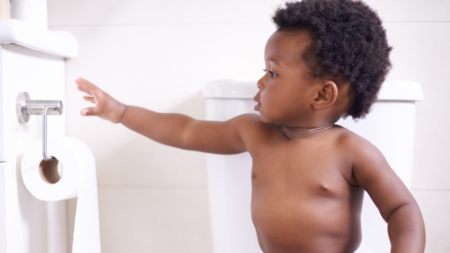
Potty training is a significant milestone in a child’s development, marking a step toward greater independence. A crucial aspect of successful potty training involves helping children develop body awareness and internal control, enabling them to effectively recognize and respond to their body’s signals.
Understanding Body Awareness and Internal Control
Body awareness, or interoception, refers to the ability to perceive internal bodily sensations, such as the need to urinate or have a bowel movement. Children with heightened interoceptive awareness can better identify these signals, facilitating timely trips to the bathroom. Conversely, children with reduced interoceptive awareness may struggle with potty training because they may not recognize these bodily cues.
Many parents feel pressure to start potty training at a certain age, but the truth is that readiness matters far more than timing. Most children begin showing signs between 18 and 30 months, but some may take longer—and that’s perfectly normal. Starting too early can lead to resistance, frustration, and setbacks, especially if your child doesn’t yet have the physical control or communication skills needed.
Instead of focusing on age, observe your child’s behaviour. If they are curious, cooperative, and beginning to understand instructions, you’re in a good place to begin. Waiting until your child is developmentally ready often leads to a smoother, faster training experience with fewer struggles along the way.
Effective Potty Training Techniques
Several evidence-based potty training techniques can help foster body awareness and internal control in children:
-
Child-Oriented Potty Training
Introduced by pediatrician T. Berry Brazelton in 1962, the child-oriented approach emphasizes waiting until the child shows signs of readiness before initiating potty training. This method advocates a gradual, gentle approach that allows children to develop at their own pace, enhancing their internal control and confidence.
-
Fast-Track Toilet Training
Developed by psychologists Nathan H. Azrin and Richard M. Foxx in 1974, the fast-track method involves structured teaching sessions, positive reinforcement, and frequent practice drills. This approach aims to quickly develop a child’s ability to recognize and respond to bodily signals, promoting internal control.
-
Gradual, Parent-Led Toilet Training
This approach combines several potty training techniques. Like Azrin and Foxx’s approach, it is parent-led. Like Brazelton’s approach, it is gentle and gradual. There are several variants of this approach.
Every child is different, so choosing a method that fits your child’s personality and your lifestyle is important. A child-led approach works well for independent children who prefer to take initiative, but it may take longer. Scheduled potty breaks, on the other hand, help build routine and are often effective for busy families.
More intensive approaches, such as the 3-day method, can work for some children but require full commitment and consistency. Gradual methods allow for a slower transition, which can reduce stress for both parent and child. The key is to stay flexible—if one method isn’t working, it’s okay to adjust your approach
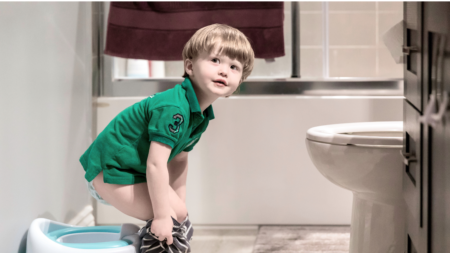
Strategies to Enhance Body Awareness and Internal Control
To support your child’s potty training journey, consider the following strategies:
-
Educate About Bodily Functions: Use clear, consistent language to teach your child about body parts and toileting functions. This will demystify the process and make it more approachable.
-
Implement Sensory Activities: Engage your child in sensory-rich activities that promote overall body awareness. Daily doses of proprioceptive input, such as jumping, climbing, or playing with textured materials, can enhance their ability to recognize internal signals.
-
Encourage Mindfulness of Bodily Sensations: Guide your child to notice and describe their bodily sensations. For example, ask them how their tummy feels before and after eating or how their bladder feels when it’s full. This practice helps them connect physical sensations with bodily needs.
-
Create a Supportive Environment: Allow your child to decide each day whether to use the potty or a diaper/pull-up, giving them control over their body. Provide tools such as a small potty or seat to make the process more comfortable and accessible.
-
Use Positive Reinforcement: Acknowledge and celebrate your child’s efforts and successes in recognizing and responding to their body’s signals. However, avoid overemphasizing rewards, as they may create pressure. Focus on encouraging their growing awareness and independence.
-
Be Patient and Consistent: Recognize that developing body awareness and internal control is a gradual process. Maintain a consistent routine and approach, offering gentle reminders and support as your child learns to tune into their body’s cues.
Step-by-Step Potty Training Routine
A structured routine helps your child understand what’s expected without feeling overwhelmed. Start by encouraging your child to sit on the potty every two hours or during natural transition times like after meals or naps. Keep each session short—about three to five minutes—to avoid frustration.
Celebrate effort, not just success. Even sitting on the potty is progress. If accidents happen, respond calmly and reassuringly. Your reaction plays a big role in how your child feels about the process. A supportive, low-pressure environment encourages learning and builds confidence over time.
Creating a Daily Potty Routine
Consistency is one of the most powerful tools in potty training. A predictable routine helps your child’s body and brain work together to recognize when it’s time to go. Start the day with a potty visit, and repeat at key times like after meals, before naps, and before bedtime.
Over time, these repeated actions create a habit. Your child begins to anticipate when to use the potty, reducing accidents and building independence. For parents, a routine also removes guesswork and makes the day feel more manageable, especially during busy periods
What to Expect: Timeline & Progress
Potty training is not a one-size-fits-all process. Some children pick it up in a few days, while others need several weeks or months to fully adjust. Progress can also be uneven—your child may do well for a few days and then suddenly have more accidents.
Nighttime training is a separate milestone and usually takes longer because it depends on physical development during sleep. It’s important to be patient and avoid comparing your child to others. Progress is still progress, even if it’s slow.
Common Potty Training Challenges (and Solutions)
Challenges are a normal part of the process. Accidents will happen, especially in the early stages. Instead of reacting negatively, treat them as learning opportunities. Calmly clean up and remind your child what to do next time.
Some children may resist using the potty or develop fears around it. In these cases, taking a short break can help reset the experience. Regression is also common during major life changes like moving, starting daycare, or welcoming a new sibling. Staying consistent and supportive during these times helps your child regain confidence.

Hygiene and Health Tips
Teaching hygiene is just as important as teaching potty use. Show your child how to wipe properly and emphasize the importance of washing hands every time. These habits protect your child from infections and build lifelong cleanliness routines.
You should also pay attention to your child’s skin. Frequent accidents or improper cleaning can lead to irritation or rashes. Using gentle wipes and allowing the skin to stay dry between changes can help prevent discomfort and keep your child healthy throughout the training process
Having the right tools can make potty training smoother and less stressful. A potty chair or child-friendly toilet seat provides comfort and accessibility, while training pants help with the transition from diapers.
Keeping wipes, extra clothes, and cleaning supplies nearby prepares you for accidents without panic. Reward charts or small incentives can also motivate your child, especially in the early stages. Being prepared helps you stay calm and consistent.
Transitioning Out of Diapers
As your child becomes more consistent, you can begin transitioning out of diapers. Start with training pants or regular underwear during the day to help them feel the difference when accidents happen. This awareness can speed up learning.
Nighttime may take longer, so it’s okay to continue using diapers while your child develops nighttime control. Gradually, as dry nights become more common, you can phase them out completely. This transition should feel natural, not rushed
Conclusion
Fostering body awareness and internal control is essential for successful potty training. By implementing these strategies and choosing a method that aligns with your child’s readiness and temperament, you can support their journey toward independence and confidence in toileting.
Your approach can make or break the potty training experience. Being patient, encouraging, and consistent creates a positive environment where your child feels safe to learn. Celebrating small wins builds confidence and keeps motivation high.
On the other hand, punishment, pressure, or comparisons can create anxiety and resistance. Children learn best when they feel supported, not judged. Keeping the experience positive helps them develop healthy habits and self-confidence
Potty training is a journey filled with small wins, occasional setbacks, and lots of learning—for both you and your child. It’s not about perfection, but progress. With patience, consistency, and encouragement, your child will develop this important life skill in their own time.
Trust the process, trust your child, and most importantly, give yourself grace along the way